


Spiral Dryer Fabric
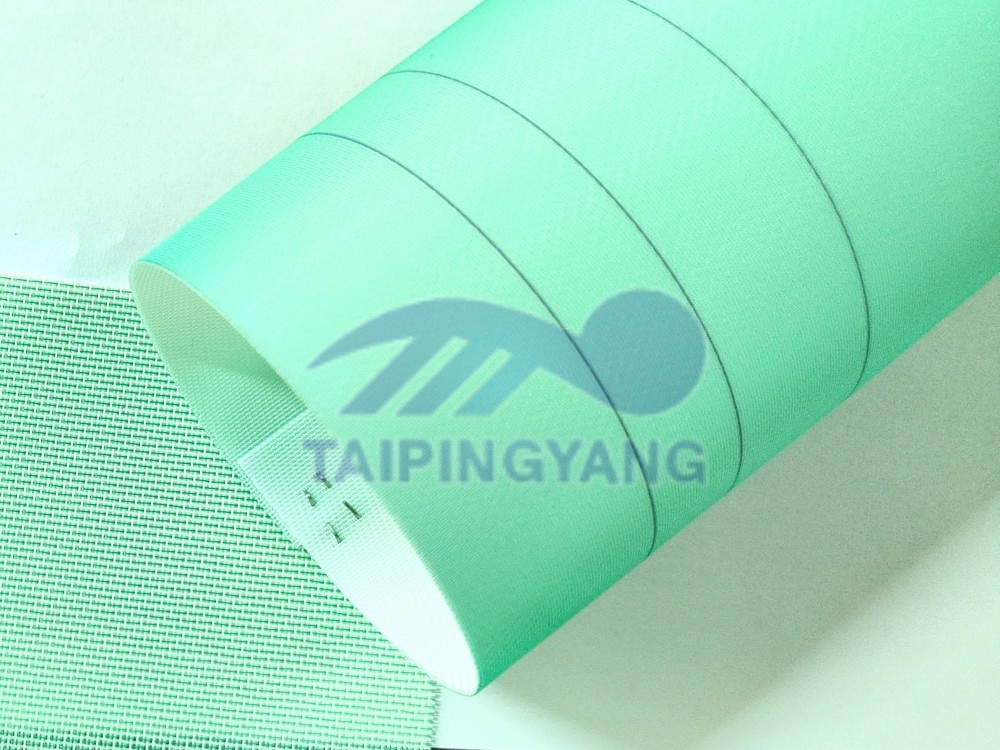
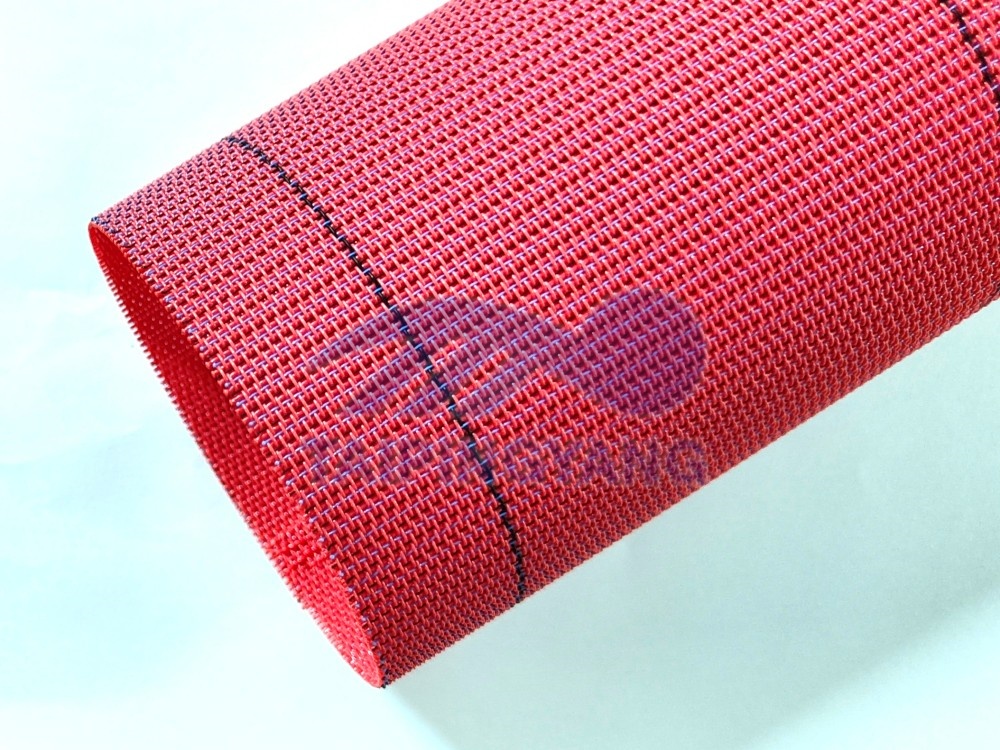
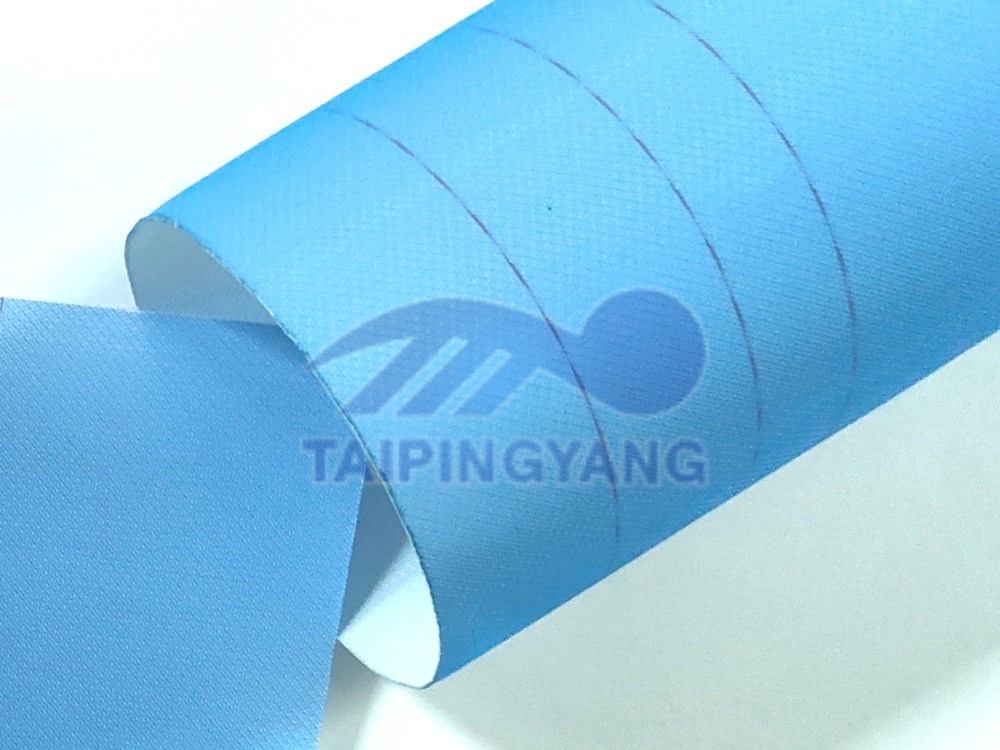
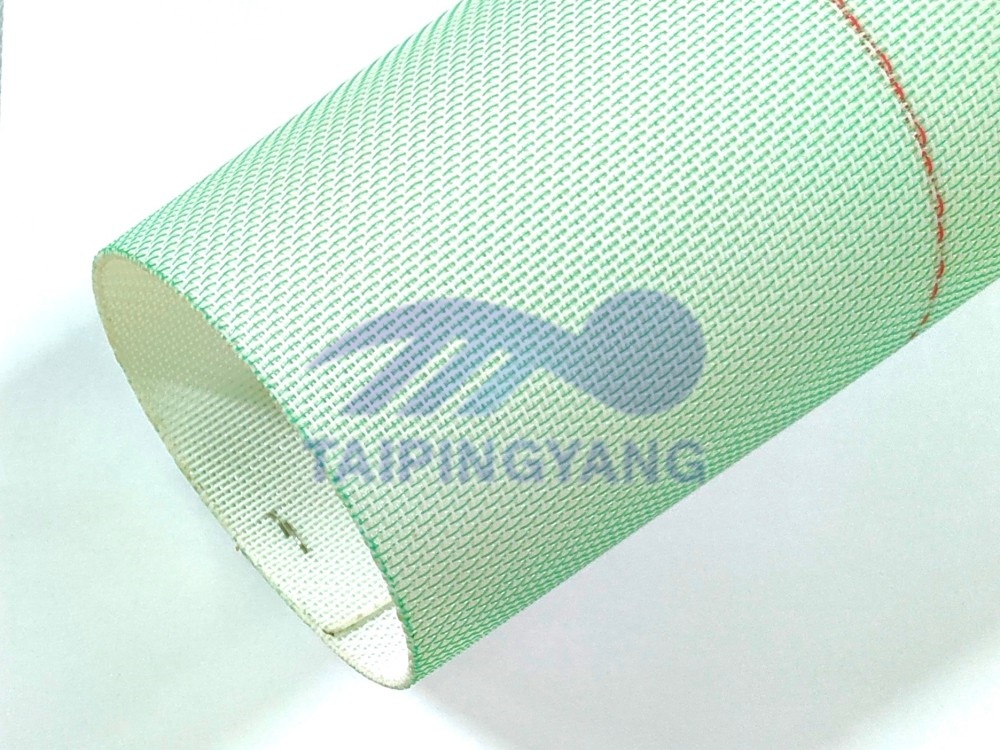
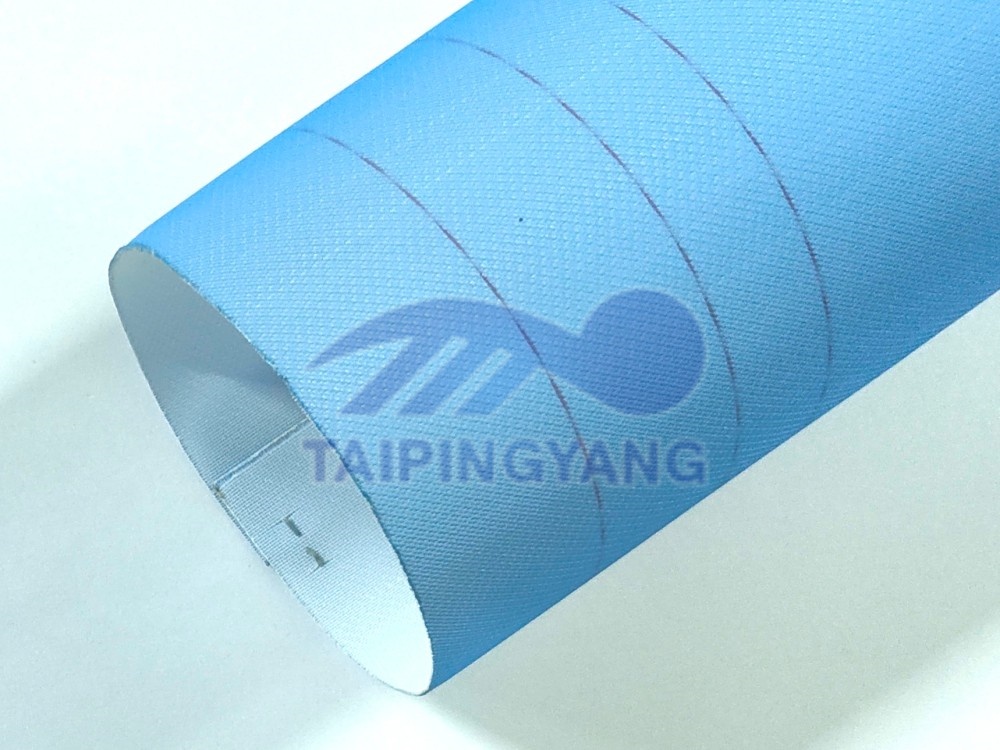
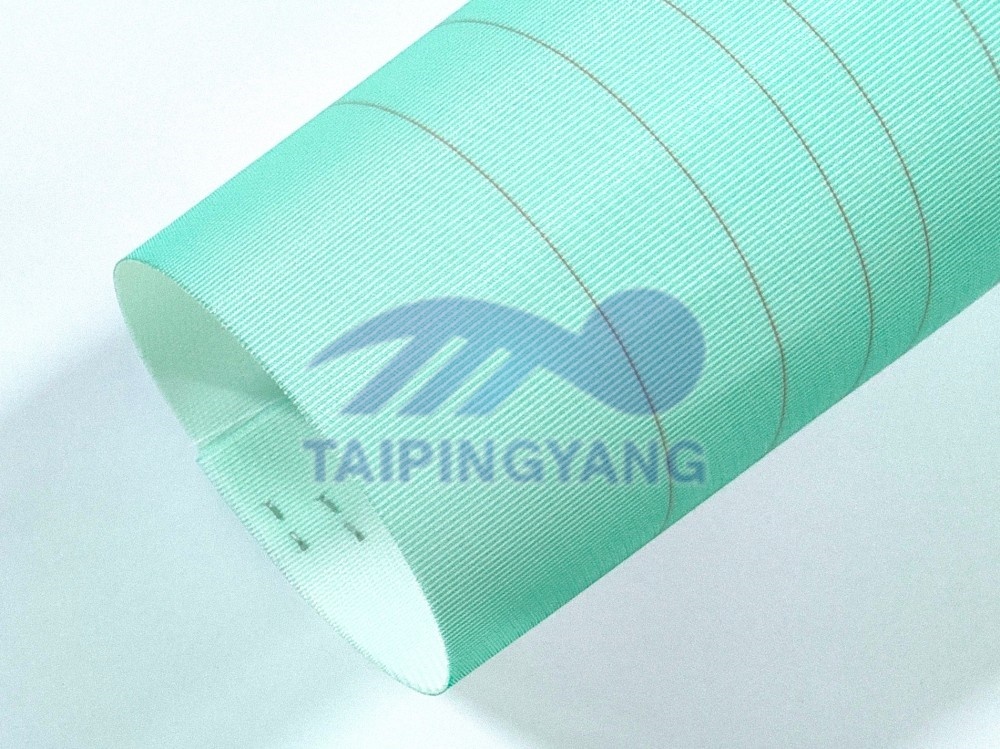
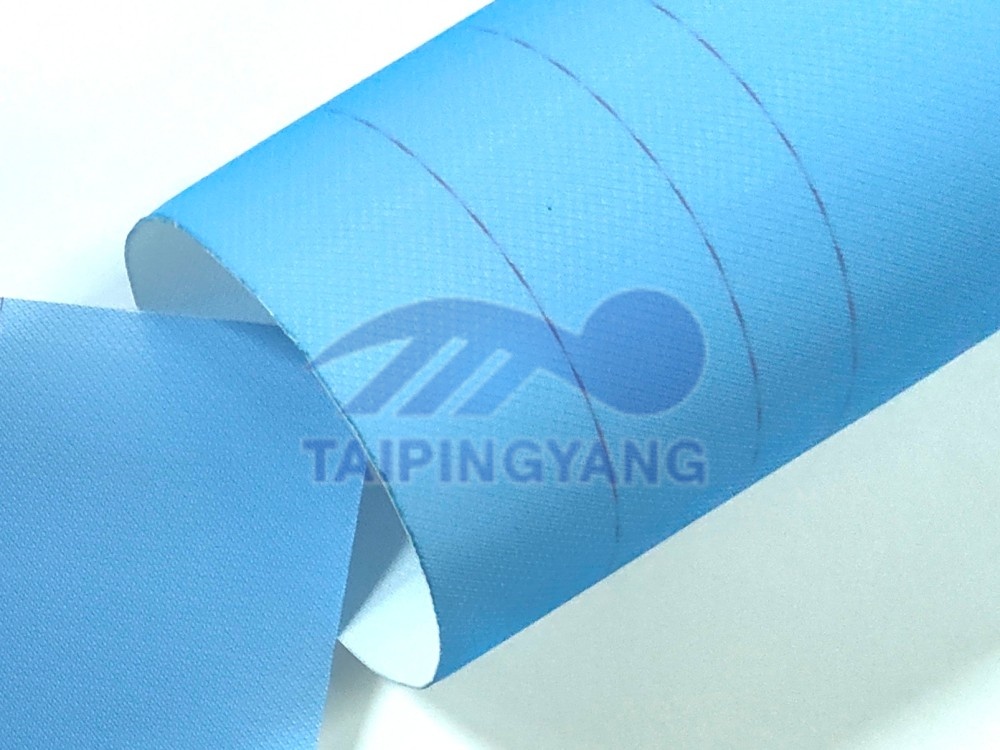
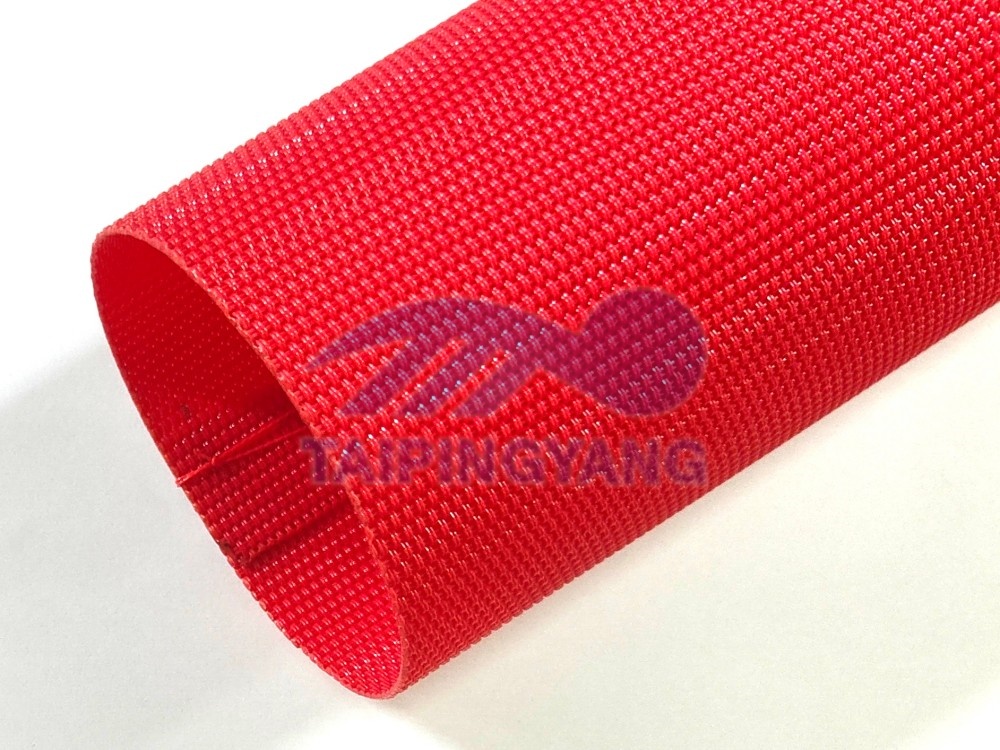
Polyester spiral dryer fabric is widely used in paper machine, coal, food, medicine, printing and dyeing and rubber products industries. It can also be used as the conveyor belt or the assorted belt for the compound machine , besides, it also used in other industries.Spiral Dryer Fabrics
Contact Us
Classification
Polyester spiral dryer fabric is widely used in paper machine, coal, food, medicine, printing and dyeing and rubber products industries. It can also be used as the conveyor belt or the assorted belt for the compound machine , besides, it also used in other industries.
Spiral Dryer Fabrics: Overview, Benefits, and Selection Guide
Spiral dryer fabrics play a key role in many industrial drying lines, especially in spiral drying systems. Choosing the correct fabric can improve drying uniformity, enhance airflow, and reduce downtime—ultimately supporting stable production and lower operating costs. This introduction outlines what spiral dryer fabrics are, common material options, how to select the right specification, and how proper care can extend service life.
What Is a Spiral Dryer Fabric?
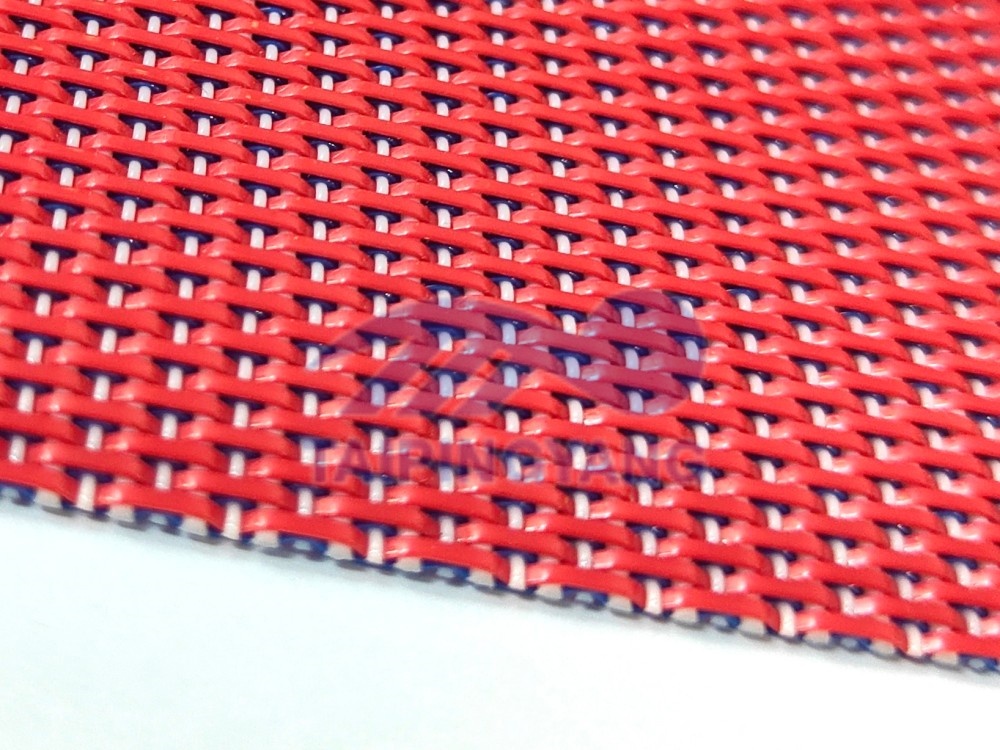
A spiral dryer fabric is a continuous belt used to convey material through a dryer while allowing hot air to pass through efficiently. These fabrics are typically manufactured from durable synthetic fibers (often polyester) to withstand heat, tension, moisture, and process chemicals. Their open, porous structure supports effective heat transfer and ventilation, which helps improve drying efficiency. The “spiral” construction refers to how the fabric is formed and joined into an endless belt designed for consistent tracking and steady transport through the drying zone.
Common Types and Materials
Polyester Spiral Dryer Fabrics
Polyester is widely used due to its strong mechanical properties, good chemical stability, and reliable performance at elevated temperatures. It offers a practical balance between cost and durability, with variants available for higher-heat or heavier-duty applications.
Alternative Synthetic Options
Depending on operating conditions, other polymers may be selected. Polyamide (nylon) is often chosen for improved wear resistance in abrasive environments, while polypropylene is valued for its chemical resistance in specific process streams. Material selection typically involves balancing performance requirements with budget and expected service life.
Key Considerations for Fabric Selection
To achieve optimal drying results, several factors should be evaluated:
Product Characteristics: Abrasiveness, moisture content, and chemical exposure influence the needed strength and resistance properties.
Operating Temperature: Higher temperatures require fabrics engineered to maintain stability and avoid premature aging.
Target Drying Efficiency: Air permeability and fabric structure affect airflow and heat exchange, which impacts drying speed and consistency.
Cost vs. Lifetime Value: Initial purchase price should be weighed against wear rate, replacement frequency, and downtime risk.
Maintenance and Service Life
Routine maintenance can significantly improve fabric longevity. Regular inspections help identify early wear, edge damage, or tracking issues. Cleaning to remove buildup and debris is also essential to preserve permeability and drying performance. Following recommended maintenance practices can prevent premature failures and reduce replacement costs.
Working with the Right Supplier
A dependable supplier can support better outcomes by providing consistent quality, application guidance, and fit-for-purpose recommendations. Look for a partner with relevant industrial experience, clear specifications, and the ability to advise on material, permeability, seam type, and operating parameters.
Summary
Spiral dryer fabric selection and upkeep are foundational to efficient, stable industrial drying. By matching fabric design to your process conditions—and maintaining it correctly—you can improve throughput, support consistent product quality, and extend equipment performance.
PREVIOUS:
NEXT:
Related Products


Equipment Showcase


Certificates
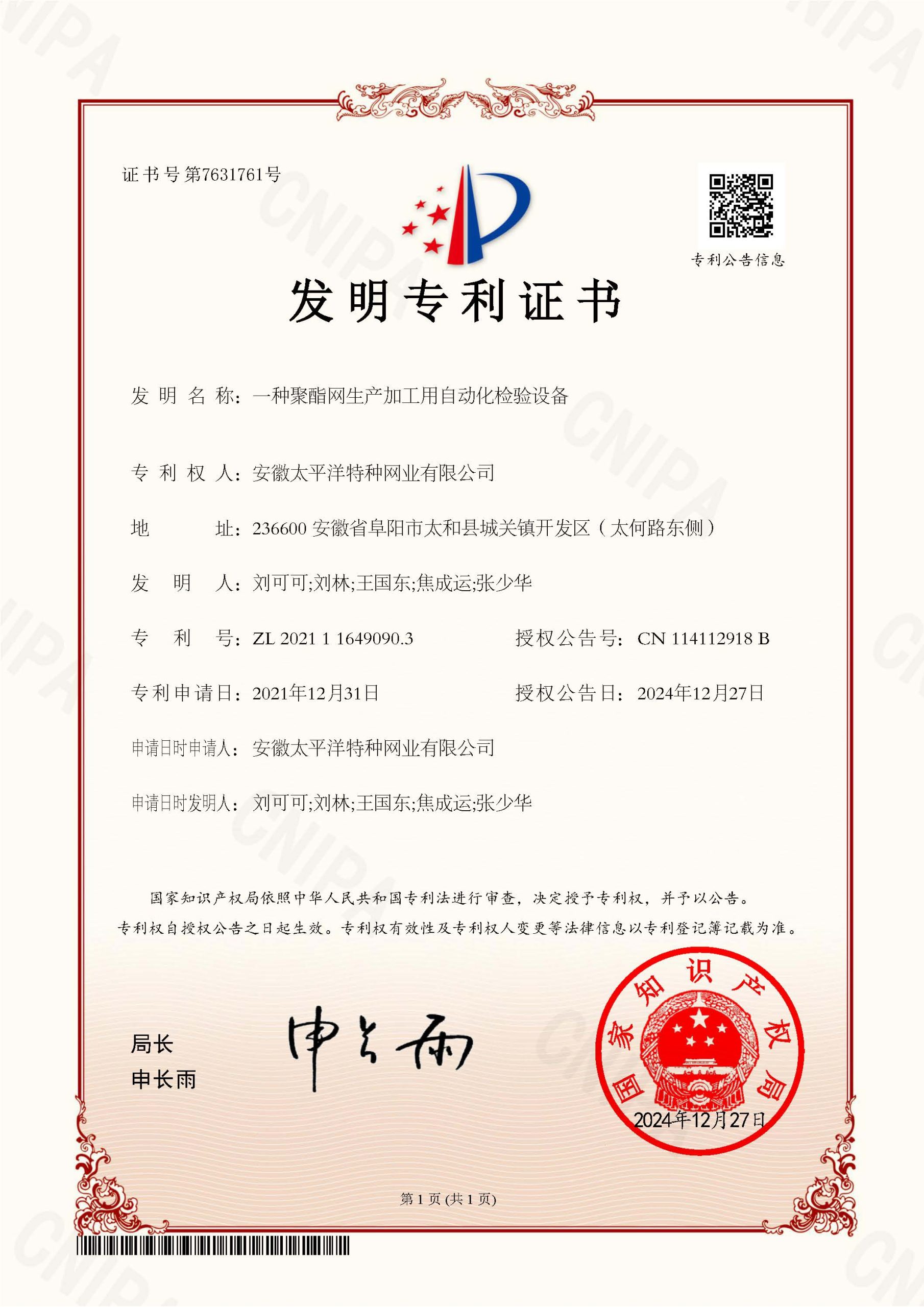
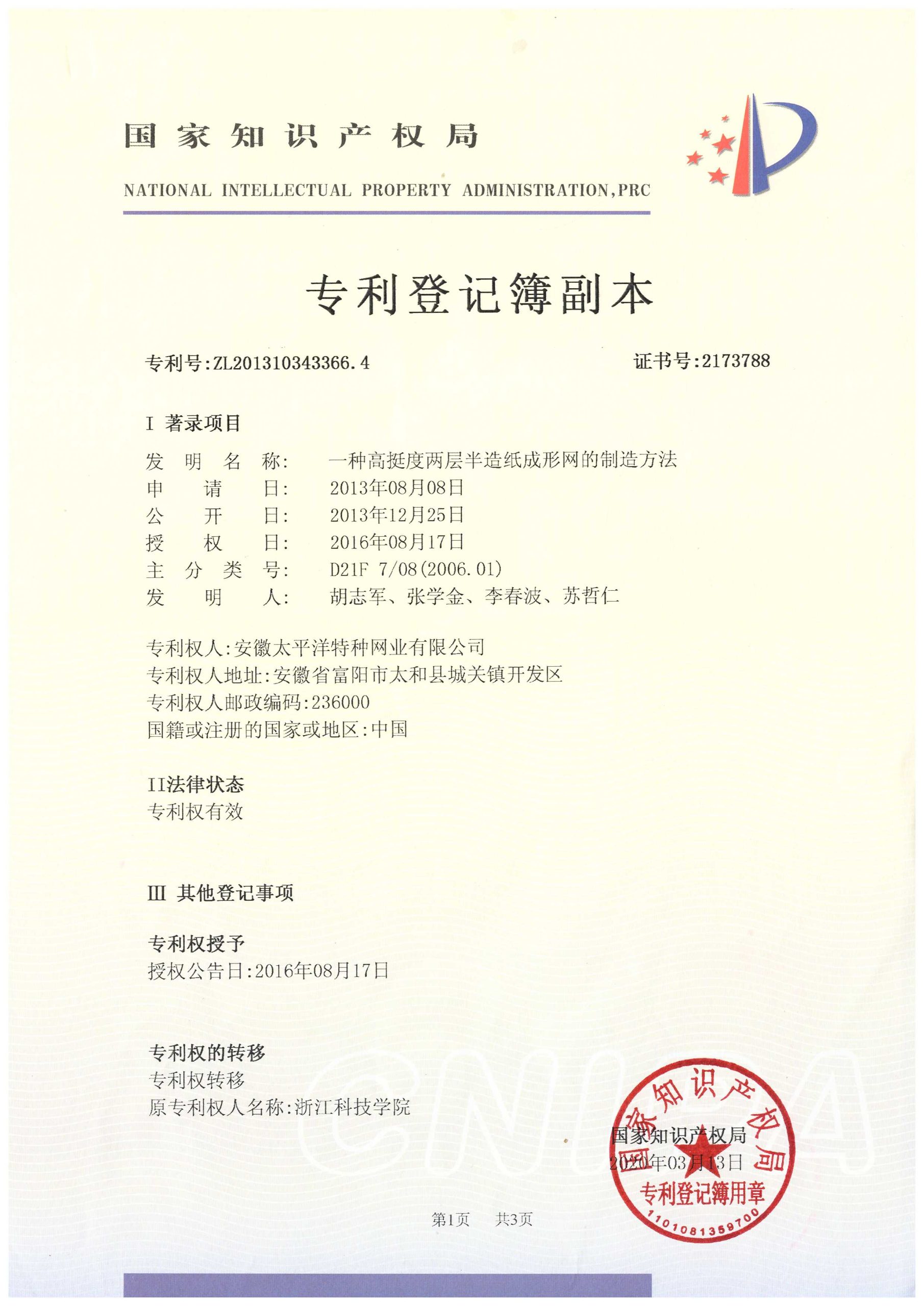
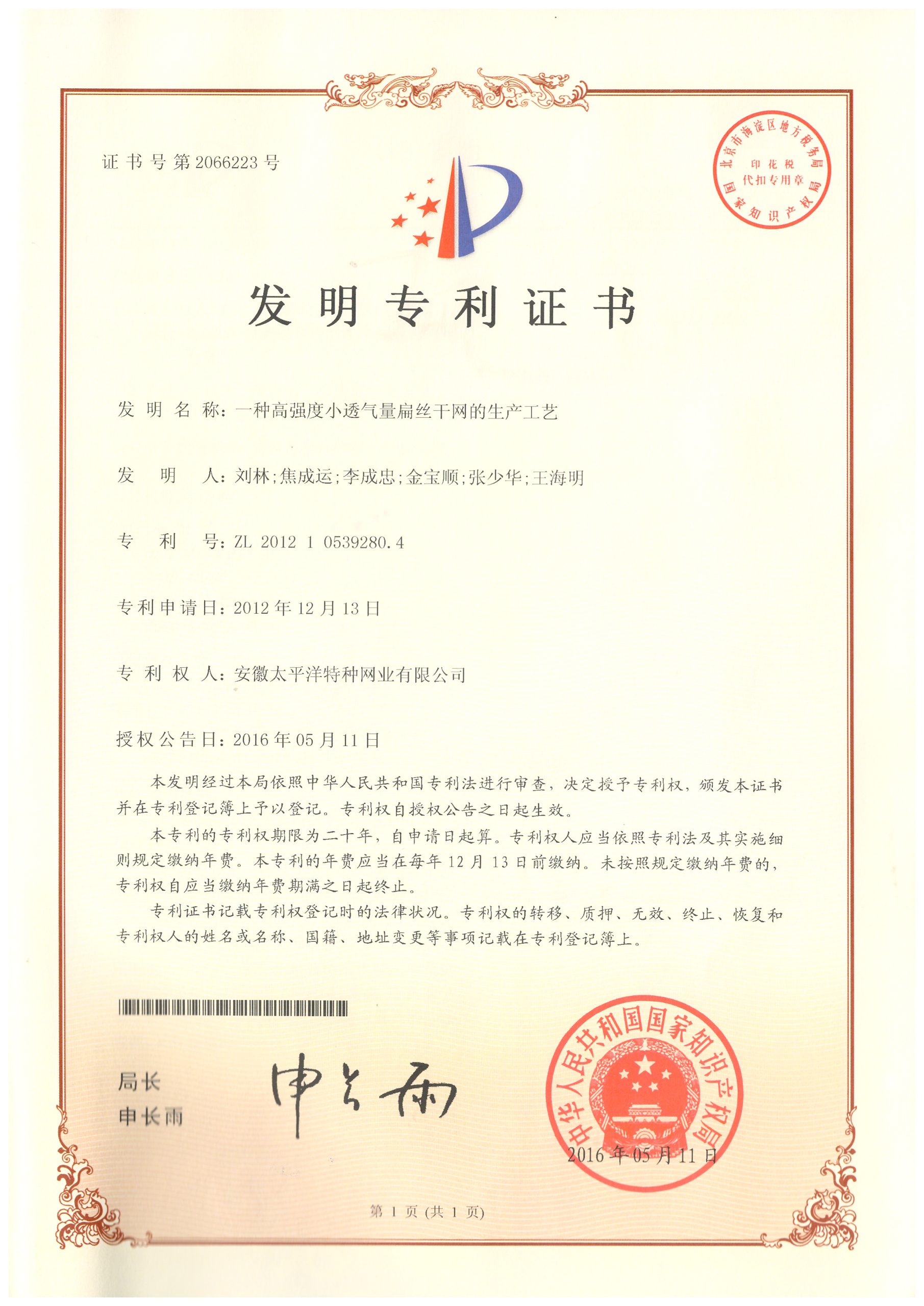
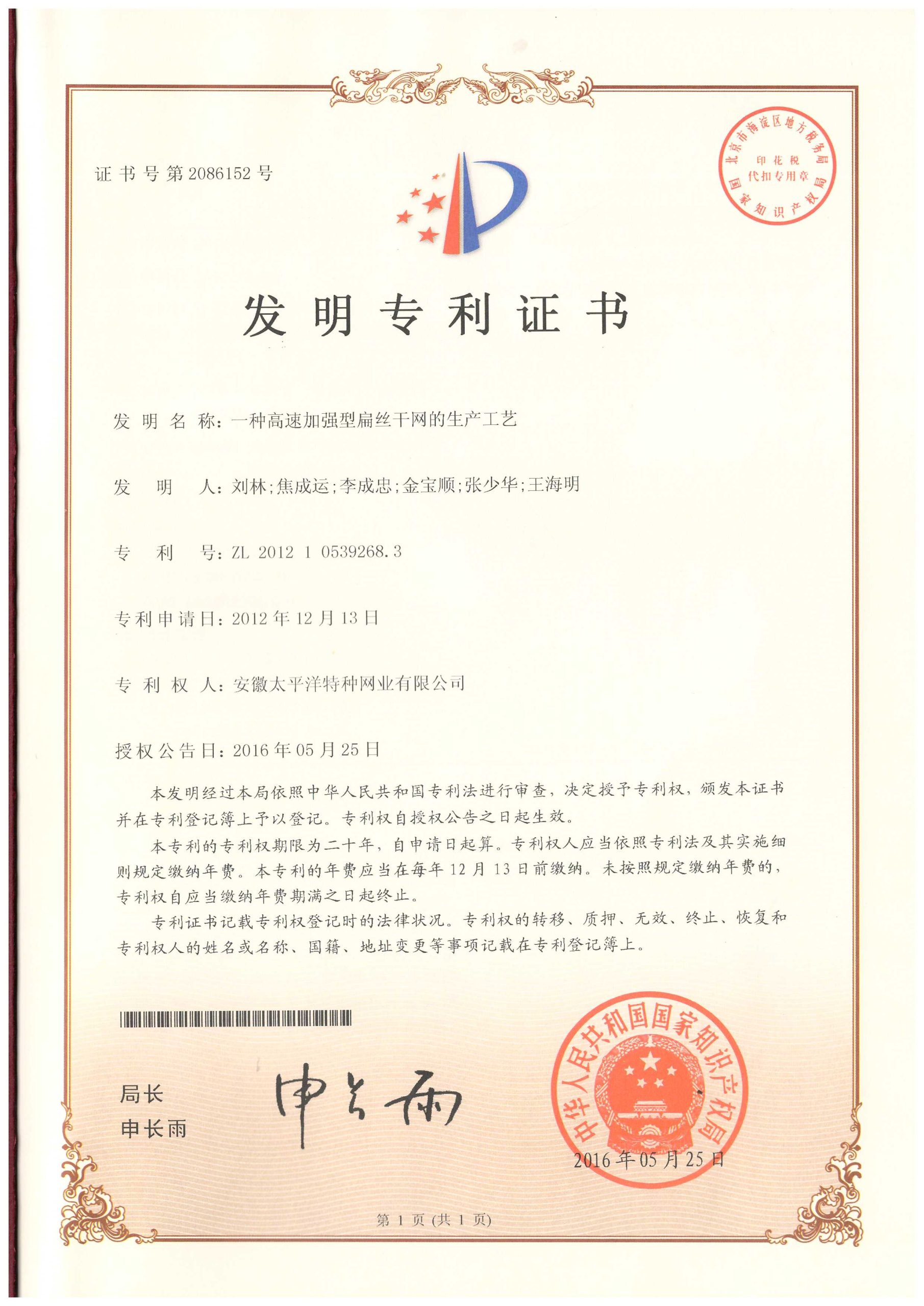
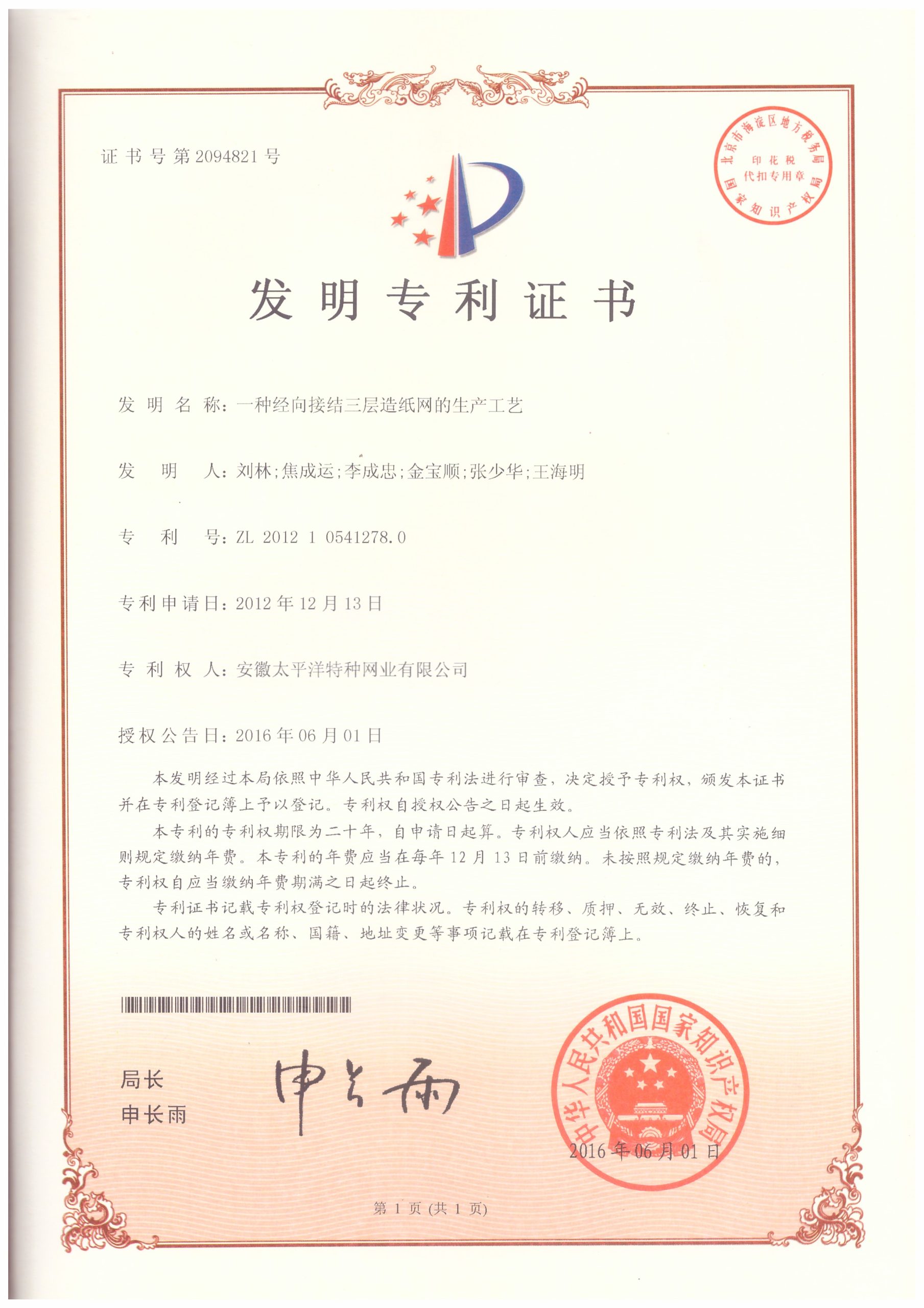
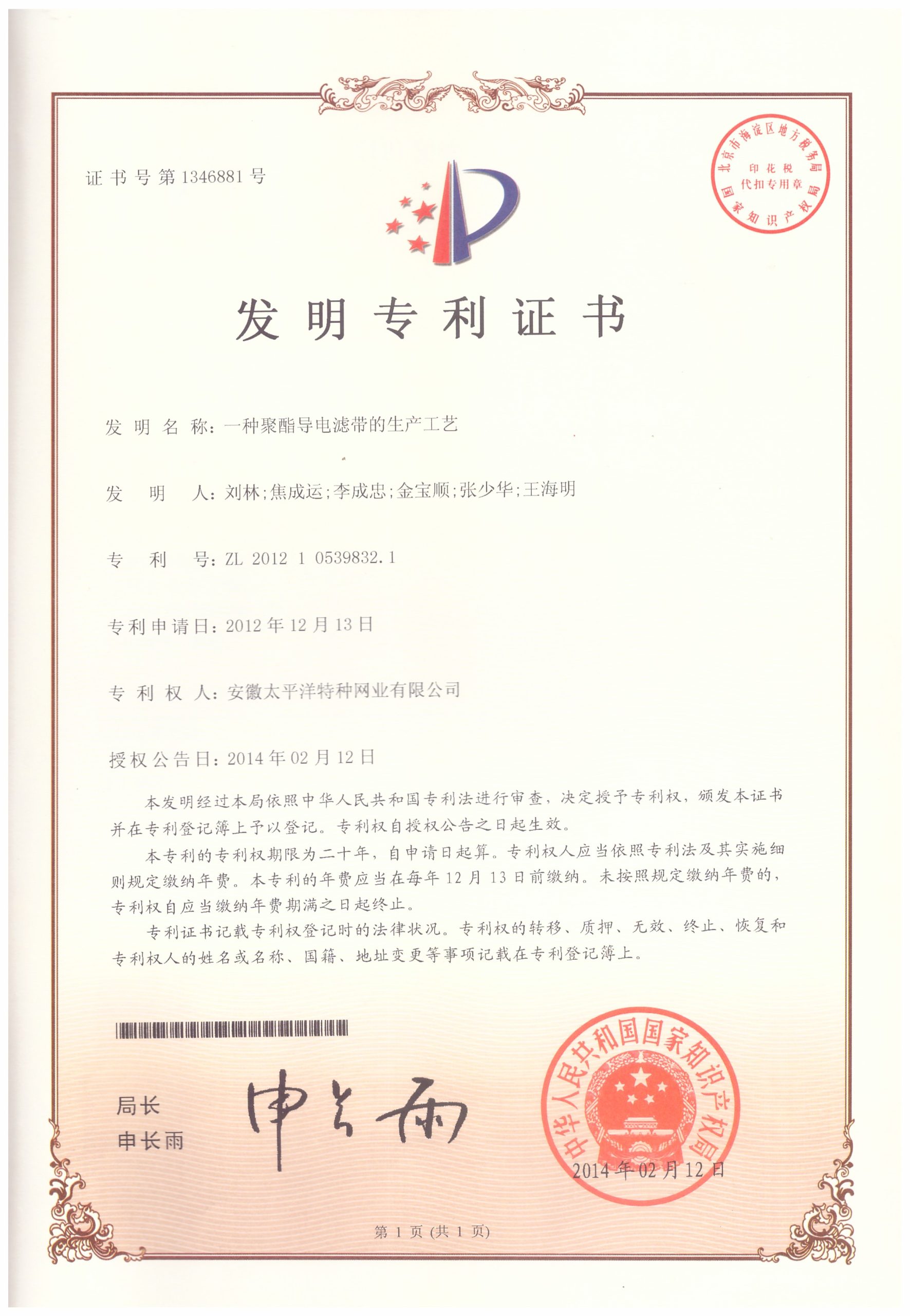
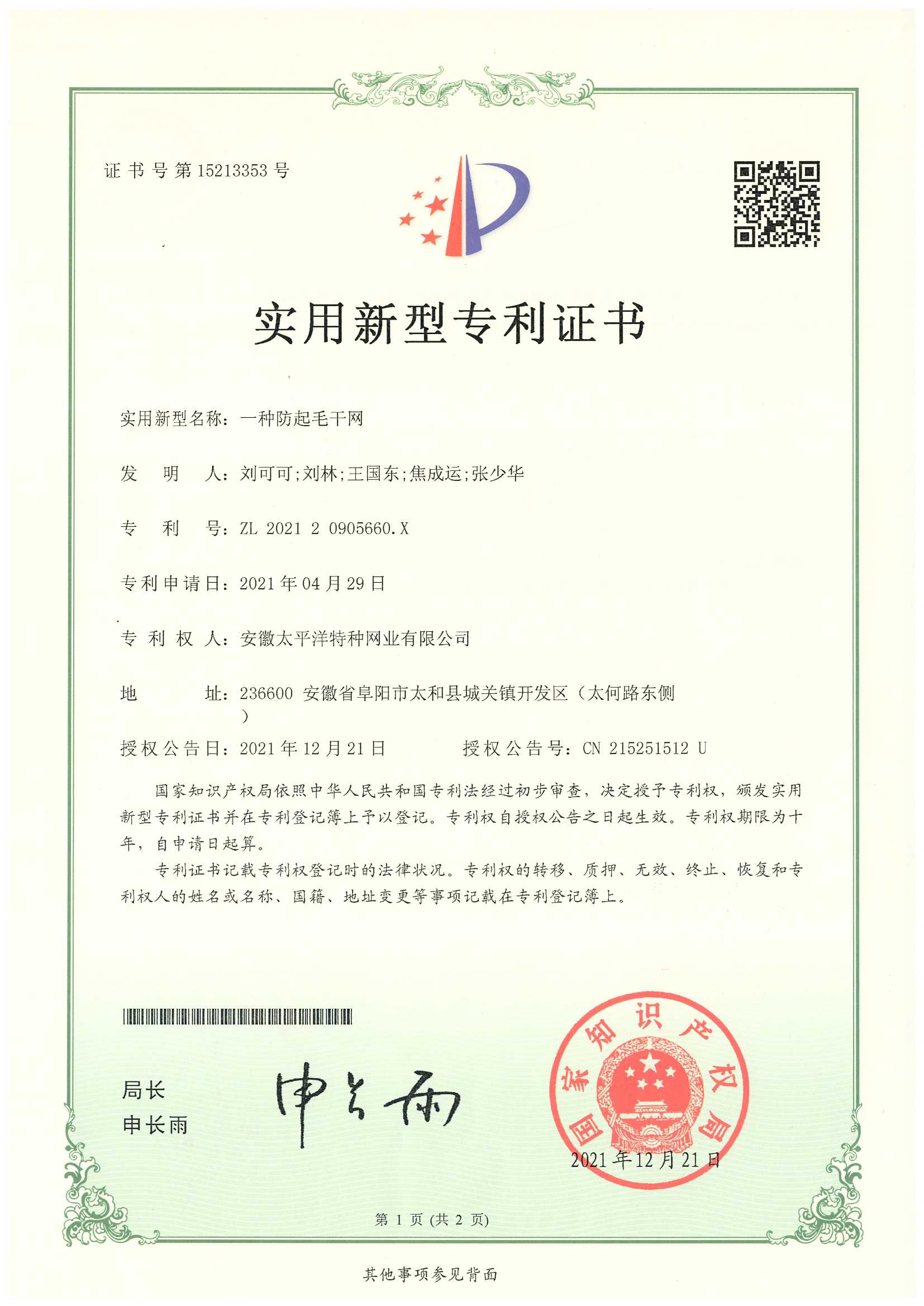
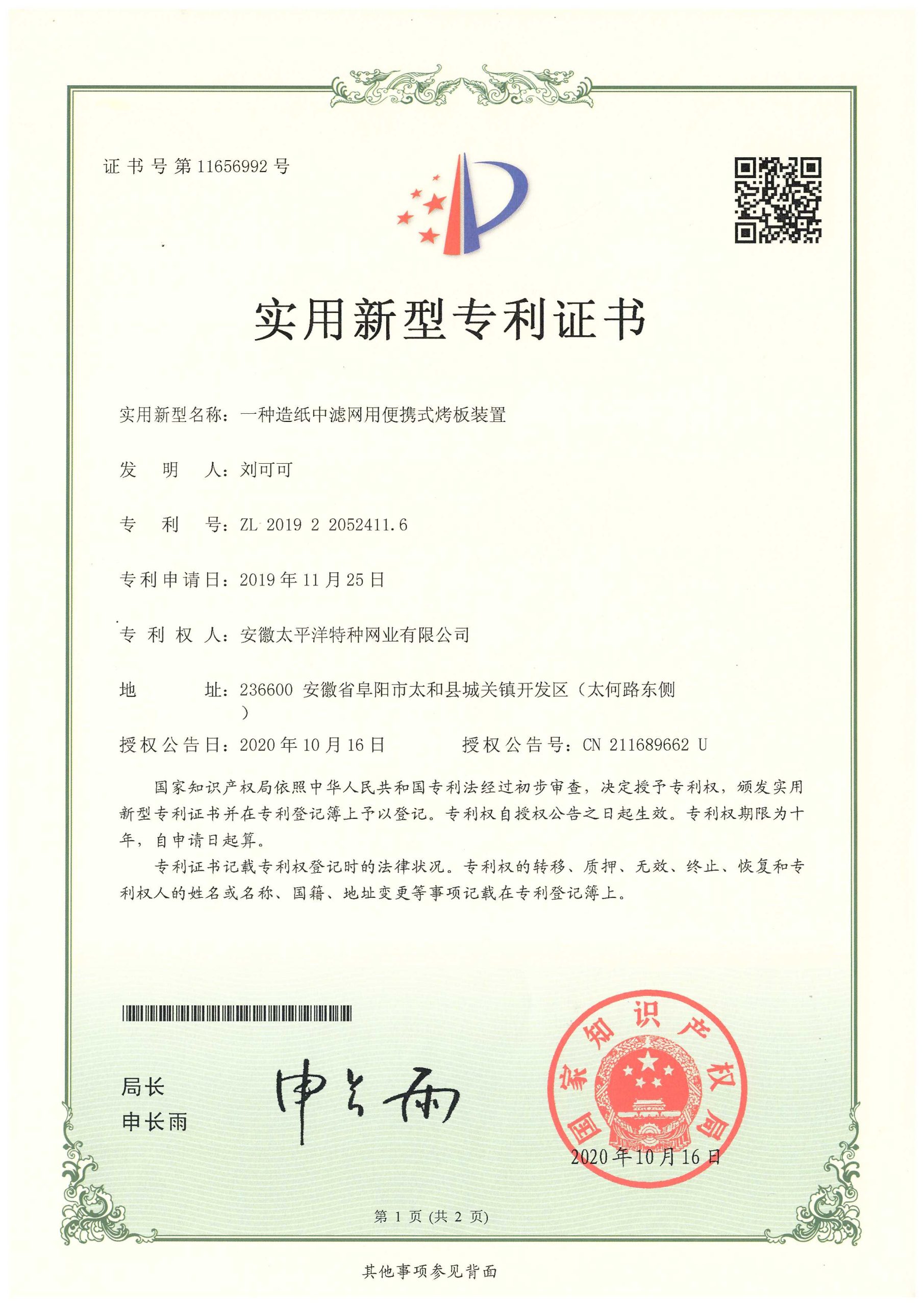
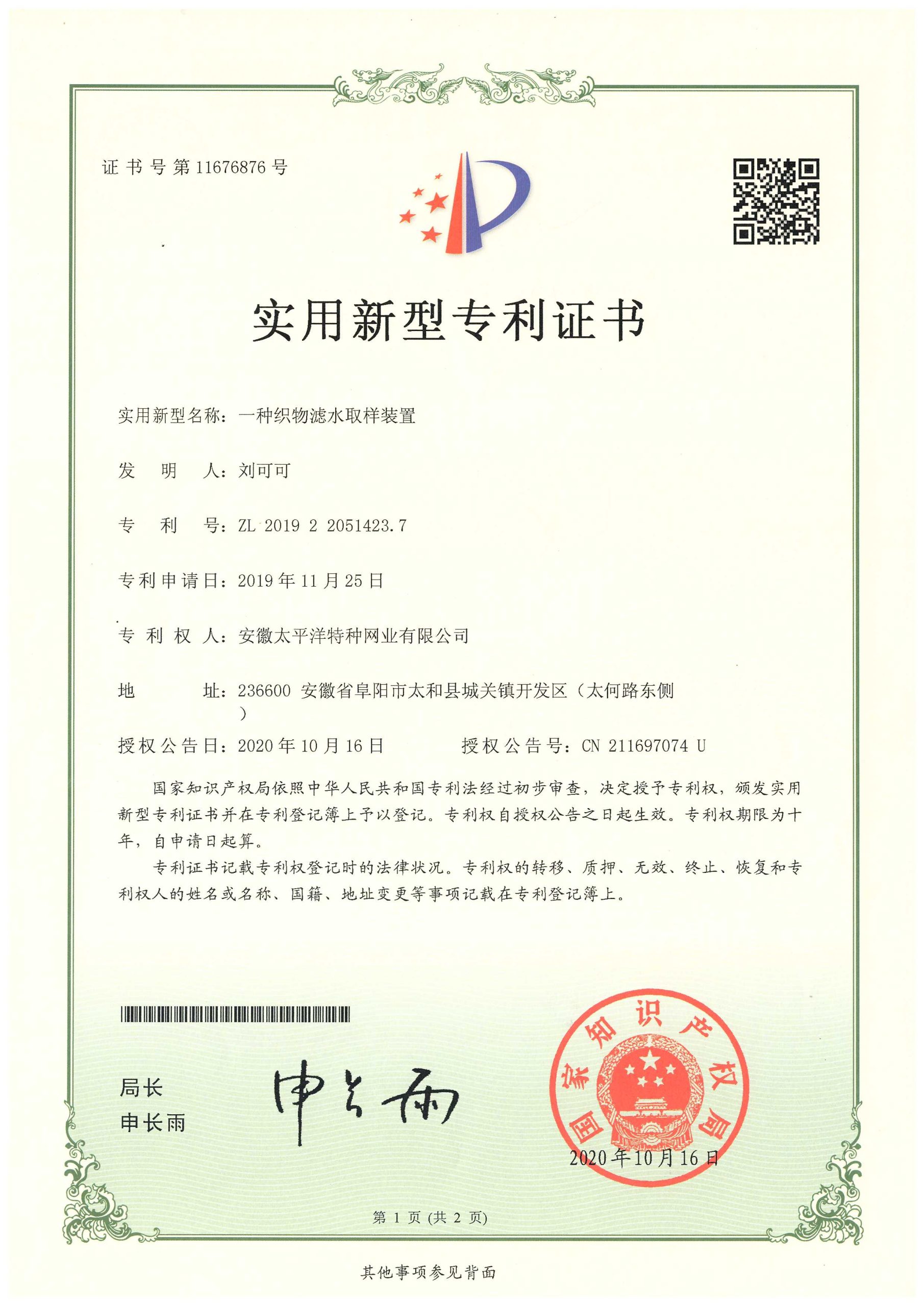
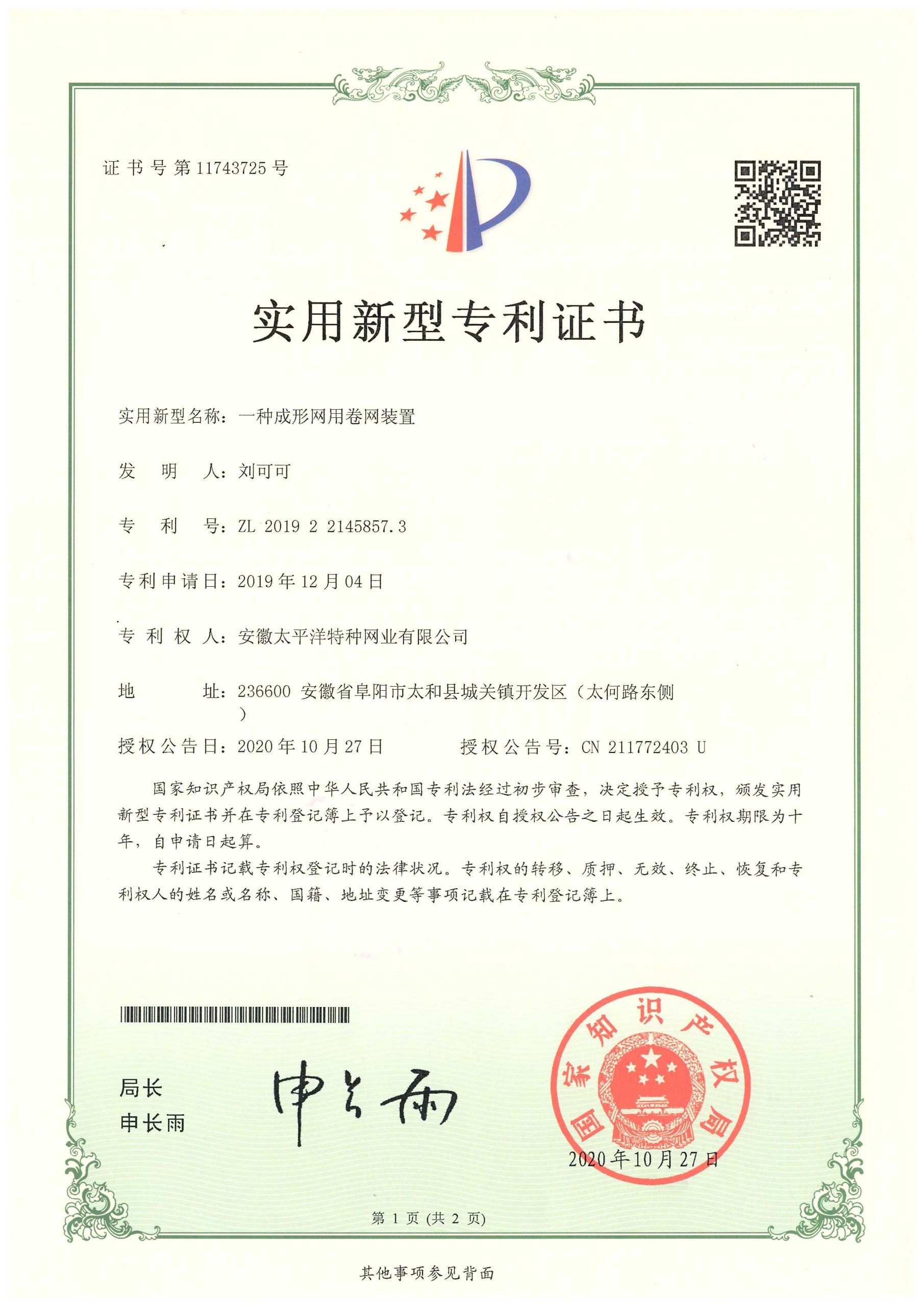
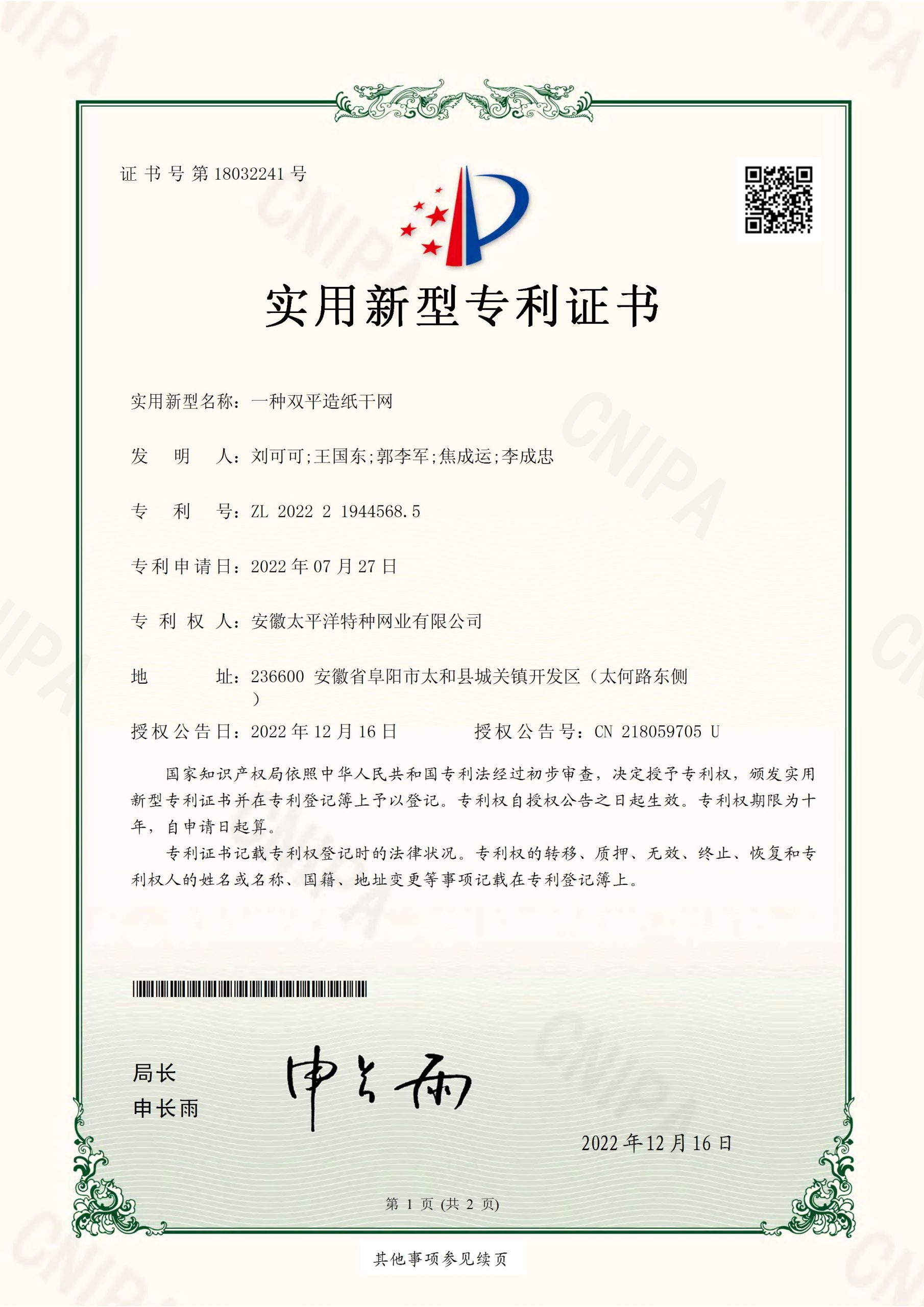
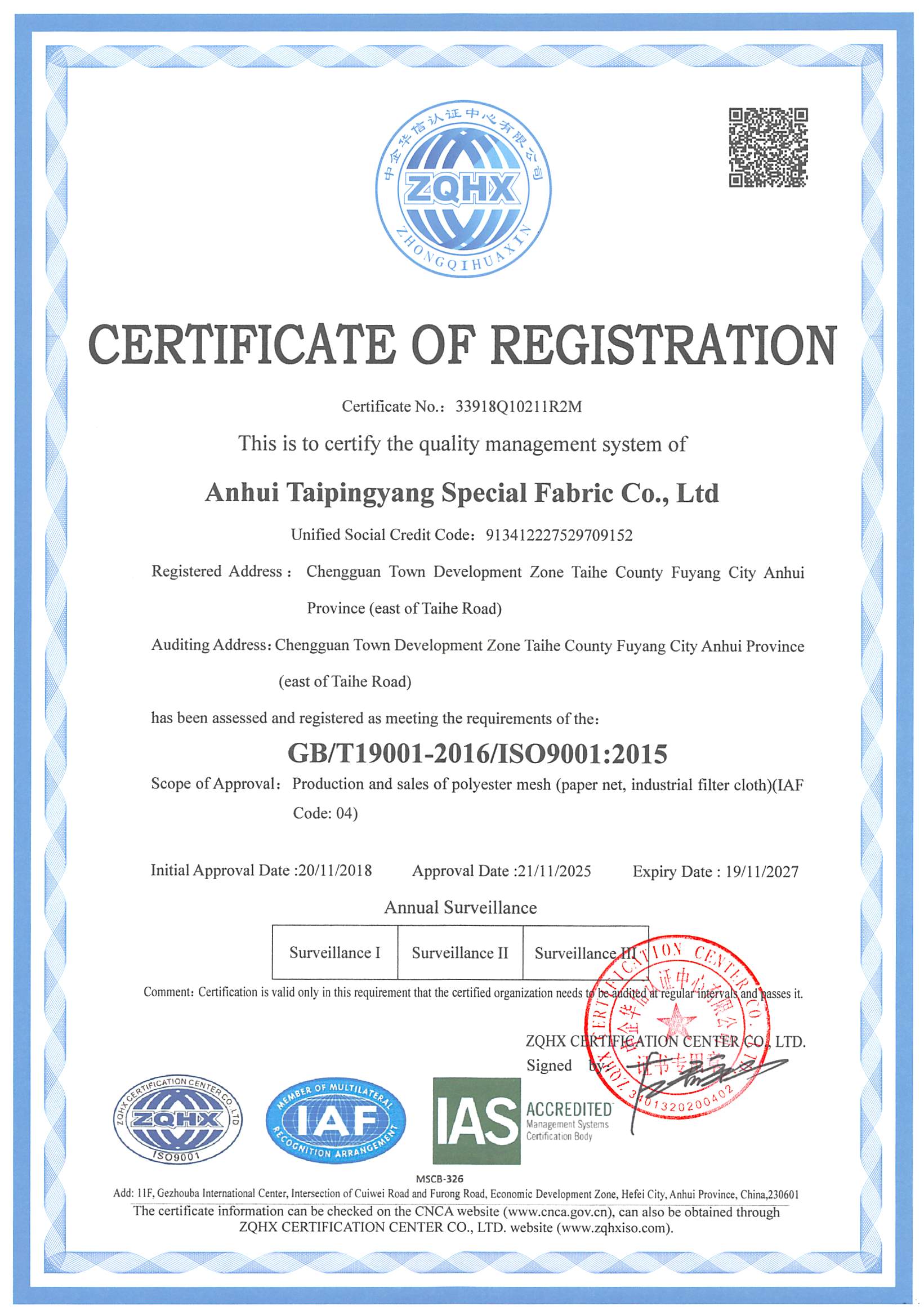
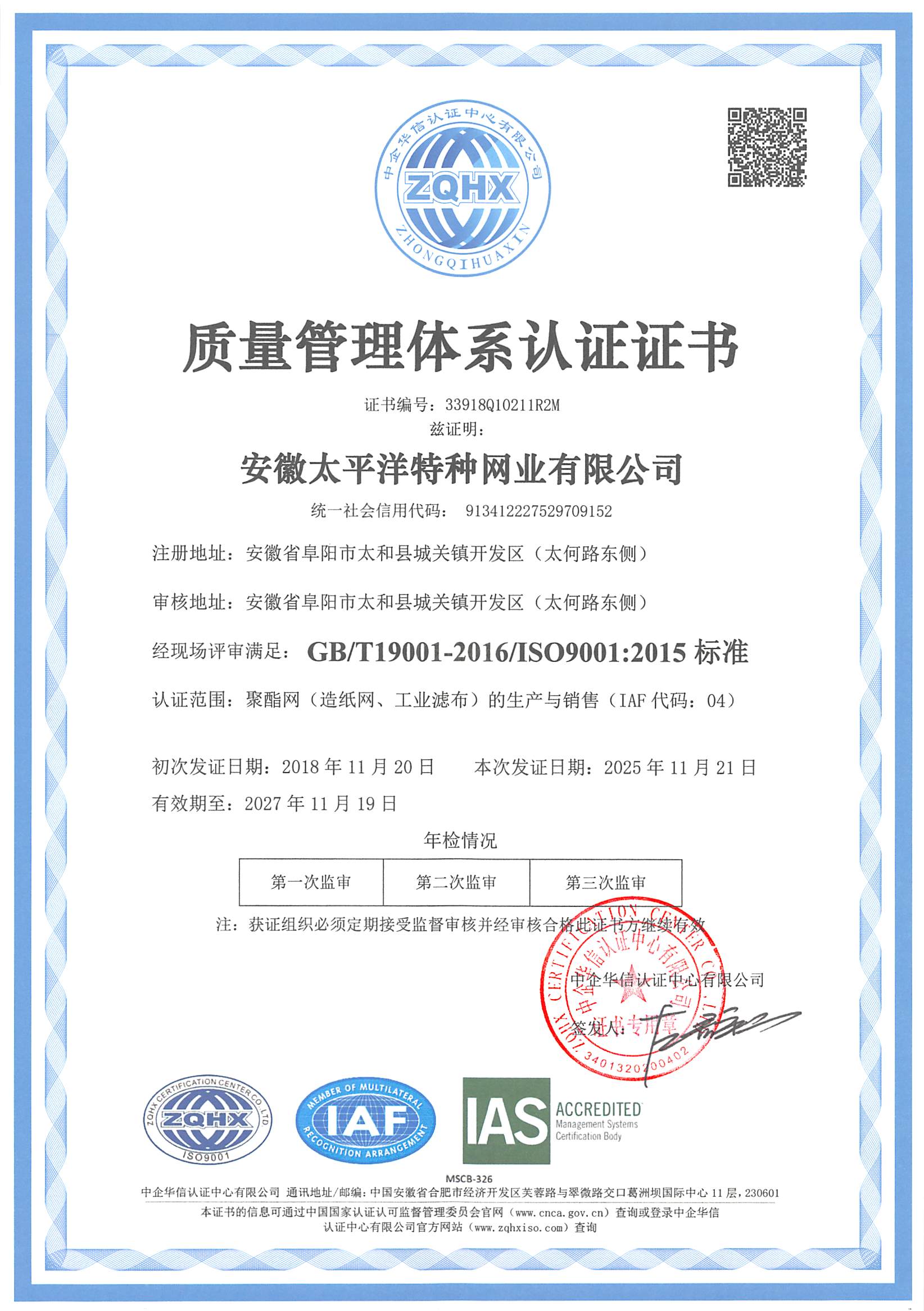
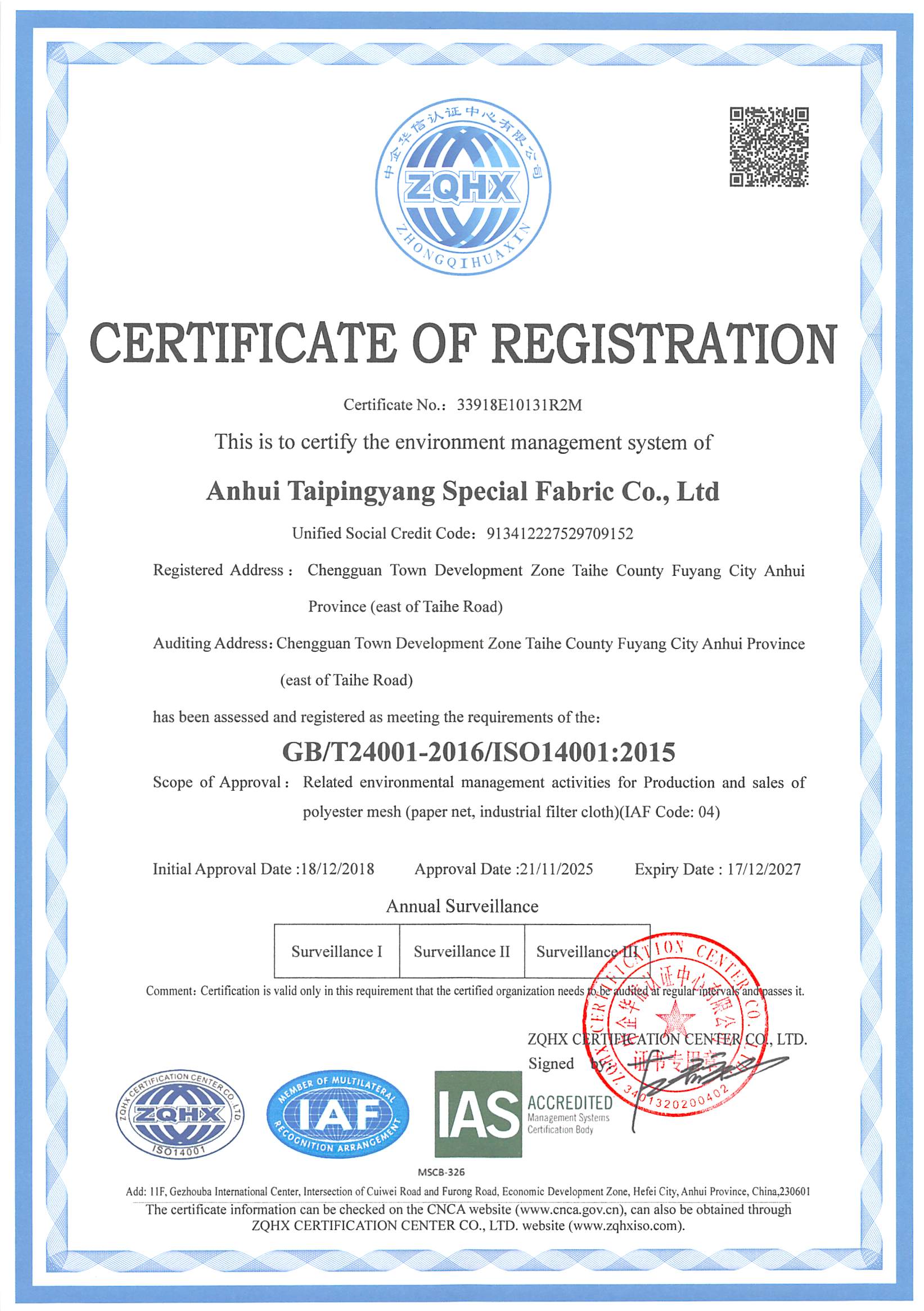
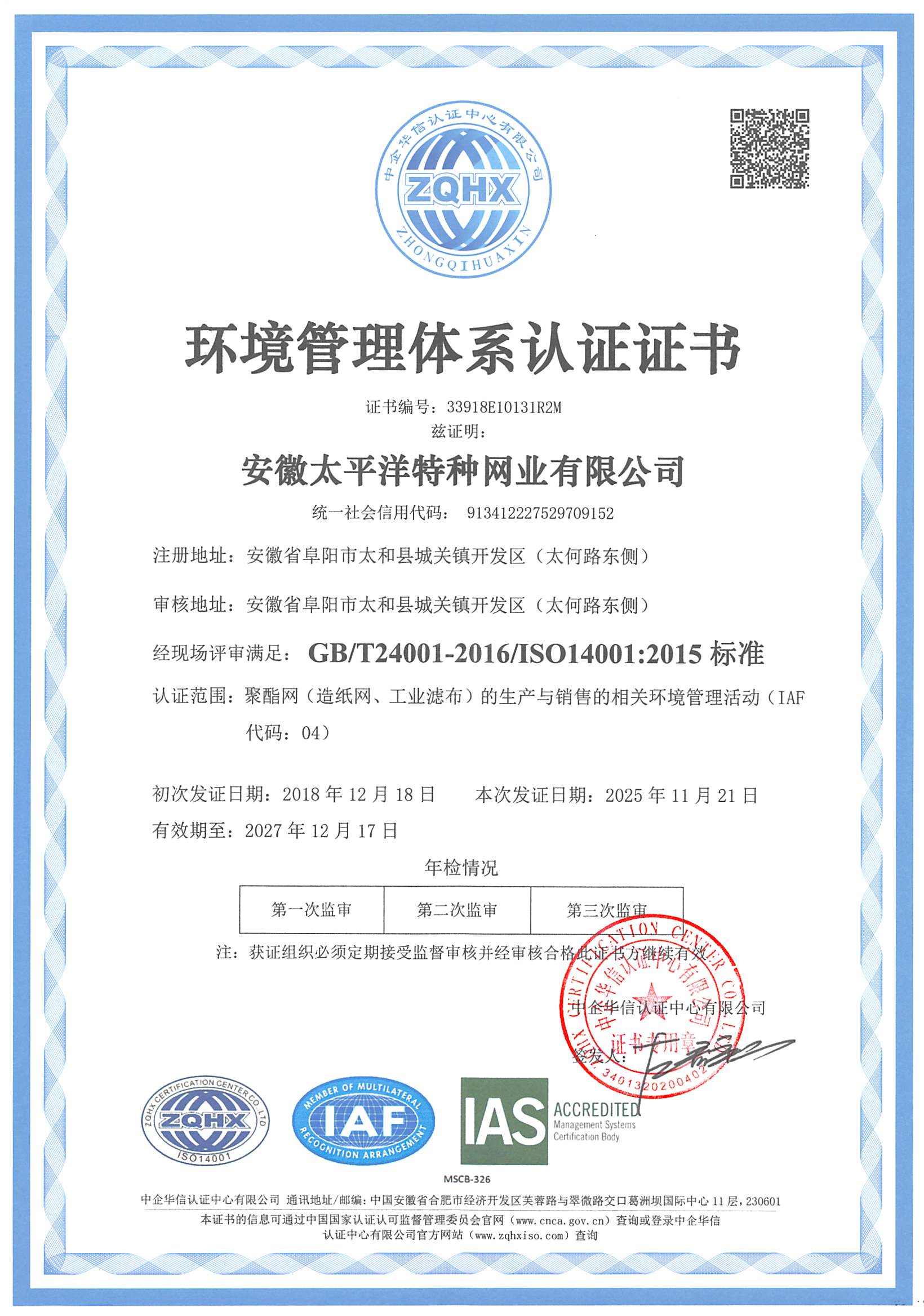
Taipingyang has filed more than 40 patent applications and currently holds 11 valid patents, including 6 invention patents. Its management systems are certified to ISO 9001:2015 and ISO 14001:2015.
APPLICATION AREAS


They all chose Taipingyang
Taipingyang products have been exported to many countries including United States, Europe and other overseas markets.
CONSULT NOW


Get A Quote
Note: Please leave your contact information and our professionals will contact you as soon as possible!